How do you smooth after sanding?
How do you smooth after sanding?
Smoothing a surface post-sanding is the key step to erase fine scratch marks, remove dust residue, and prepare the material for finishing touches like painting, staining, or polishing.
First, remove sanding dust thoroughly. Use a soft-bristled brush to sweep away loose particles, then wipe the surface with a damp microfiber cloth (for wood and plastic) or a lint-free rag dipped in mineral spirits (for metal). Let the surface dry completely—lingering dust will ruin the final finish by creating bumps or unevenness.
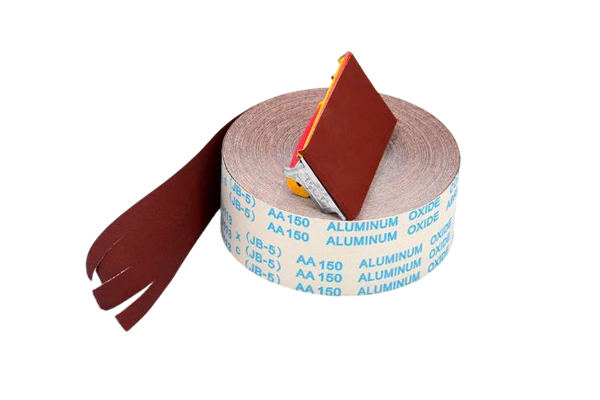
Next, address remaining fine scratches. For wood, use wood filler to fill tiny gaps, then sand the filler lightly with 320–400 grit sandpaper. For metal, apply a metal polish with a cotton cloth and buff in circular motions to smooth micro-scratches. For plastic, wet-sand with 600–1000 grit sandpaper to refine the surface, then wipe clean again.
For a glossy, mirror-like finish, use a buffing compound (for metal and plastic) or paste wax (for wood). Apply a small amount to a clean cloth, buff vigorously in circular motions, then wipe off excess with a fresh rag. This step not only smooths the surface but also adds a protective layer.
Always work in a clean, dust-free area to prevent new particles from settling on the surface during smoothing.
Post-sanding smoothing boils down to thorough dust removal, targeted scratch refinement, and a final buff or wax to lock in a smooth finish.
News
Contact Us
Contact: Kamel Abrasives
Phone: +86 13663827325
Whatsapp: +86 13663827325
E-mail: sales@kamel.com.cn
Add: High Technology Area, Zhengzhou, Henan, China