How to clean a sanding block?
How to clean a sanding block?
A clean sanding block ensures consistent abrasion, extends sandpaper life, and prevents scratches on your workpieces. Over time, sanding dust, debris, and worn abrasive particles can clog the block’s surface or adhere to its padding—here’s how to clean it quickly and effectively.
First, remove the old sandpaper if it’s clogged or worn out. For blocks with a rigid base (like wood or plastic), use a stiff-bristled brush to scrub away dust and residue from the surface and edges. For foam-padded sanding blocks, gently squeeze the foam to dislodge trapped particles, then brush the surface to remove loose debris.
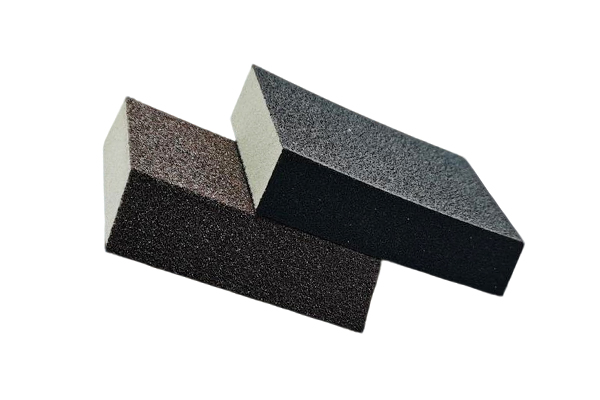
For stubborn buildup, dampen a cloth with warm water (avoid harsh chemicals that can damage foam or wood) and wipe the block’s surface. For grease or sticky residue, a small amount of mild dish soap can be added to the water. Never soak the block—excess moisture can warp wooden blocks or degrade foam padding over time.
After cleaning, let the sanding block air dry completely in a well-ventilated area before reattaching new sandpaper. For reusable hook-and-loop sanding blocks, ensure the hook surface is free of lint and debris to maintain a strong grip on the sandpaper.
Regular cleaning keeps your sanding block performing at its best, saving you time and money on replacement tools.
News
Contact Us
Contact: Kamel Abrasives
Phone: +86 13663827325
Whatsapp: +86 13663827325
E-mail: sales@kamel.com.cn
Add: High Technology Area, Zhengzhou, Henan, China