How to measure a sanding belt?
How to measure a sanding belt?
Measuring a sanding belt correctly is critical for ensuring a perfect fit on belt sanders and avoiding slippage, uneven sanding, or tool damage during operation.
Start with width measurement: Use a tape measure to measure the straight distance across the belt’s width, from one edge to the opposite edge. This is the simplest dimension to confirm and usually matches the sander’s platen width.
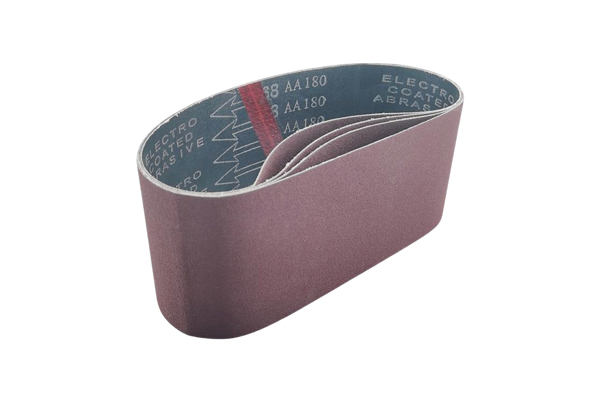
Next, measure the length: There are two reliable methods for this. For an intact belt, lay it flat on a smooth surface and measure the inner circumference from end to end with a flexible tape measure. If the belt is broken or cut, straighten it out fully and measure the linear distance from one end to the other—this straight-line length equals the inner circumference of the intact belt.
Finally, confirm the grit size, which is typically printed directly on the belt’s backing material. If the printing is worn off, you can estimate the grit by testing the abrasiveness on a scrap piece of wood or metal, or by comparing it to a sandpaper grit chart.
A quick pro tip: Always double-check measurements against your sander’s user manual specifications, as some older tools may use non-standard sizing.
Measure width first, then length (either inner circumference or straight-line for broken belts), and verify grit size to get the right sanding belt for your tool.
News
Contact Us
Contact: Kamel Abrasives
Phone: +86 13663827325
Whatsapp: +86 13663827325
E-mail: sales@kamel.com.cn
Add: High Technology Area, Zhengzhou, Henan, China