What grit sandpaper to use on plastic?
What grit sandpaper to use on plastic?
Plastic is a soft, easily scratched material, so selecting the right sandpaper grit is essential to achieve a smooth finish without damaging the surface. The ideal grit depends on your project stage, from shaping and repairing to final polishing.
For heavy material removal—such as fixing deep scratches, trimming excess plastic, or smoothing rough edges—start with medium grits (180–240). Coarser grits (below 180) are not recommended, as they can leave deep, irreversible scratches on plastic’s delicate surface.
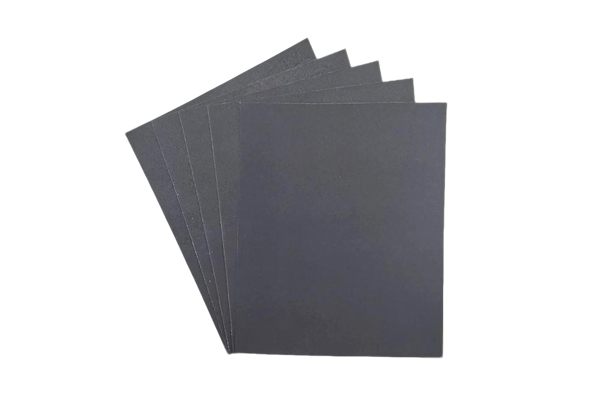
Once the major imperfections are gone, move to fine grits (320–400) to refine the surface and eliminate light scratches left by the medium grit. This stage is perfect for preparing plastic for painting, gluing, or coating, as it creates a slightly textured base for better adhesion.
For final polishing and a glossy finish, use ultra-fine grits (600–1000). Wet-sanding with these grits is highly recommended: the water lubricates the surface, prevents abrasive particles from clogging the sandpaper, and reduces the risk of melting plastic due to friction.
Always sand plastic with light, consistent pressure and work in a circular motion. Avoid applying too much force, as this can warp the plastic or create uneven areas.
Stick to medium grits for shaping, fine grits for prep work, and ultra-fine grits for polishing to get the best results on plastic surfaces.
News
Contact Us
Contact: Kamel Abrasives
Phone: +86 13663827325
Whatsapp: +86 13663827325
E-mail: sales@kamel.com.cn
Add: High Technology Area, Zhengzhou, Henan, China