How to clean a sanding block?
How to clean a sanding block?
Cleaning a sanding block regularly preserves its abrasive power, extends lifespan, and ensures smooth sanding results.
For dry sanding blocks with paper or cloth pads, start by tapping the block firmly against a hard surface. This dislodges loose debris, dust, and small particles trapped in the abrasive grit. Use a stiff-bristled brush (like an old toothbrush) to gently scrub the grit, removing stubborn buildup without damaging the abrasive surface.4
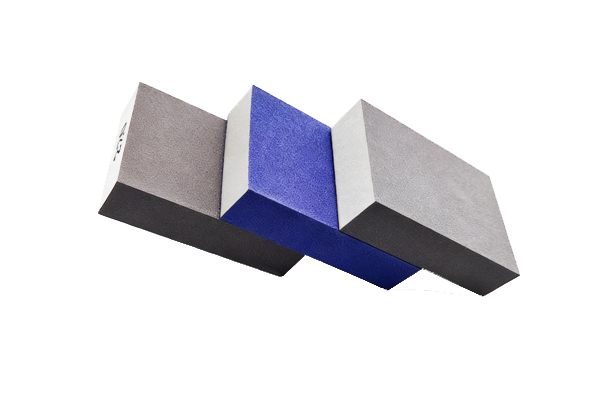
Water-resistant or wet-sanding blocks can be cleaned with mild soap and warm water. Submerge the abrasive side in soapy water for 2-3 minutes, then scrub lightly with a brush. Rinse thoroughly to remove soap residue and debris, then air-dry completely before reuse—moisture left in the grit can cause clumping or rust.
Avoid harsh chemicals or high-pressure water, as these can weaken the adhesive holding the abrasive to the block, or damage foam or wooden block bases. For heavily clogged blocks, use a rubber eraser or specialized sanding block cleaner to lift embedded debris without wearing down the grit.
Post-cleaning, inspect the block: if grit remains clogged or worn, it’s time to replace the abrasive pad. Regular cleaning (after each 1-2 uses) keeps your sanding block performing at its best, saving you time and money on frequent replacements.
News
Contact Us
Contact: Kamel Abrasives
Phone: +86 13663827325
Whatsapp: +86 13663827325
E-mail: sales@kamel.com.cn
Add: High Technology Area, Zhengzhou, Henan, China