Cutting Disc
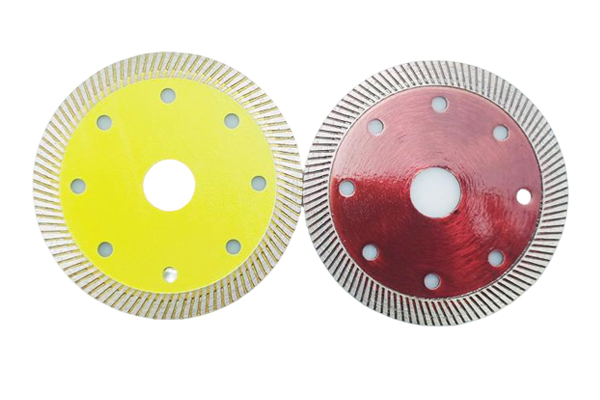
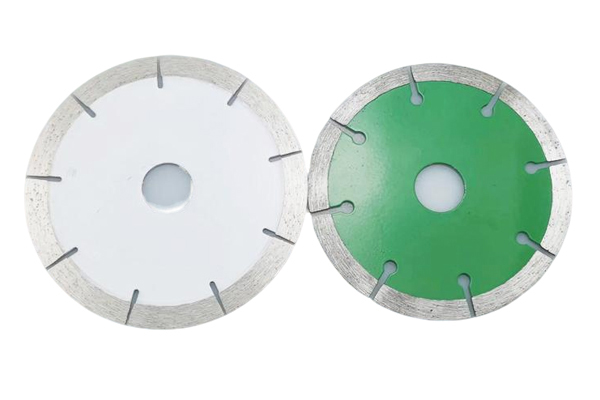
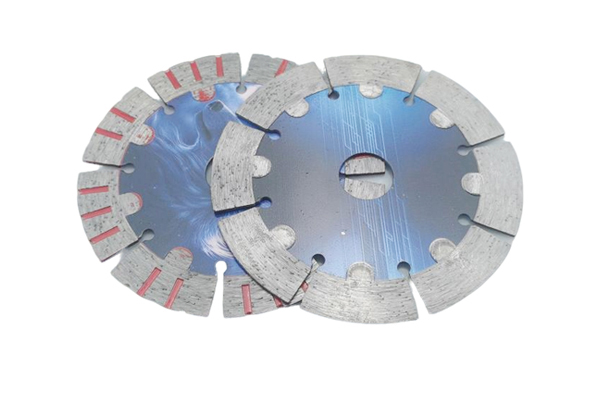
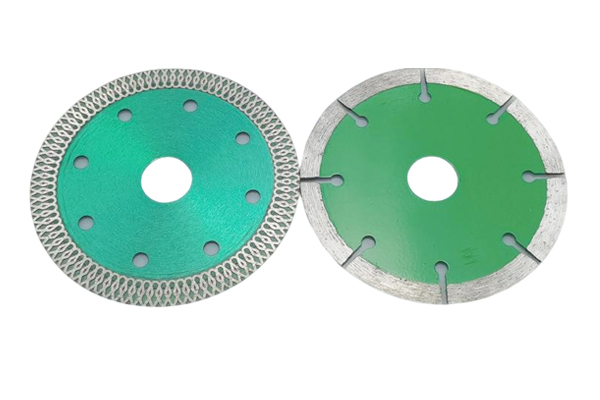
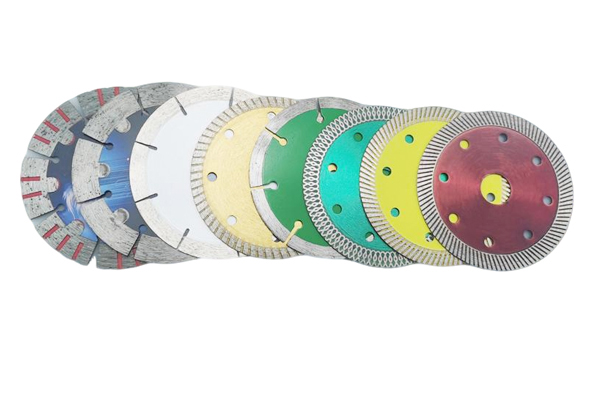
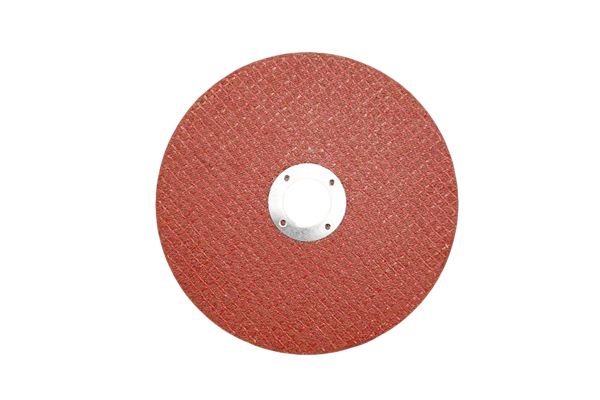
Diamond Cutting Disc
- Product ID:
- Size: 4‘’ - 9‘’
- Material Science: Diamond
- INQUIRY
Diamond Cutting Discs / Diamond Cutting Wheels
1. Diamond particles have high hardness (Mohs hardness 10), and the cutting life is 5-10 times that of ordinary grinding wheels, reducing the frequency of replacement. Fast cutting speed, suitable for high-hardness materials.
2. Low dust emission, in line with European and American environmental protection standards (such as CE, RoHS), reducing health risks for workers. Customizable design, adapted to the needs of different industries .
3.Laser welding technology ensures the stability of the blade, reducing material waste and secondary processing costs. The use of high-strength alloy substrates lowers equipment energy consumption and extends tool life.
4.Chinese manufacturers enhance product performance through technological innovations (such as multi-layer diamond coatings and laser welding processes), offering a price-performance ratio far exceeding that of traditional European and American brands. Through large-scale production (such as the industrial cluster in Henan), manufacturing costs are reduced by 20%-30%, and raw material costs (diamond synthesis technology) are 15%-20% lower than in Europe and America.
5. The price of diamond cutting blades made in China is 30%-50% lower than that of European and American brands, but the performance gap is only 10%-15%, with significant cost performance. The life of cutting concrete is 2.000 meters/blade, which is 150% higher than that of Indian products (800 meters/blade). The use of diamond cutting blades reduces dust treatment costs by 30%-40% (compared with traditional grinding wheels).
6. China’s diamond tool exports will reach $1.2 billion in 2022. with an annual growth rate of 8%-10%, accounting for 35%-40% of the global market (European and American brands account for about 50%, but it is declining year by year).
In developing countries (such as the Middle East and Africa), Chinese brands have a market share of over 60%.
PRODUCTS
News
Contact Us
Contact: Kamel Abrasives
Phone: +86 13663827325
Whatsapp: +86 13663827325
E-mail: sales@kamel.com.cn
Add: High Technology Area, Zhengzhou, Henan, China